Continue to hand-weed or hoe
regularly to keep on top of weeds.
Dig deep to remove highly
invasive bind weed as it appears.
Continue to mow or clip grass
paths weekly.
If you have sown green manure,
dig it in this month to fix the nitrogen in the soil.
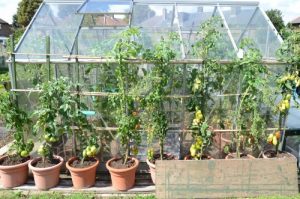
In the greenhouse ensure
adequate shading. Check night time temperatures and close door on
cold nights. On hot days keep greenhouse temperatures down by using
maximum ventilation and damp down greenhouse floors to increase
humidity.
Use insect-proof mesh over
carrots to prevent carrot fly attacking carrots. Ensure it is
well-pegged down, not leaving any gaps.
Use insect-proof mesh over
leeks to prevent leek moth damaging leeks. Ensure it is well-pegged
down, not leaving any gaps.
Sowing and Growing
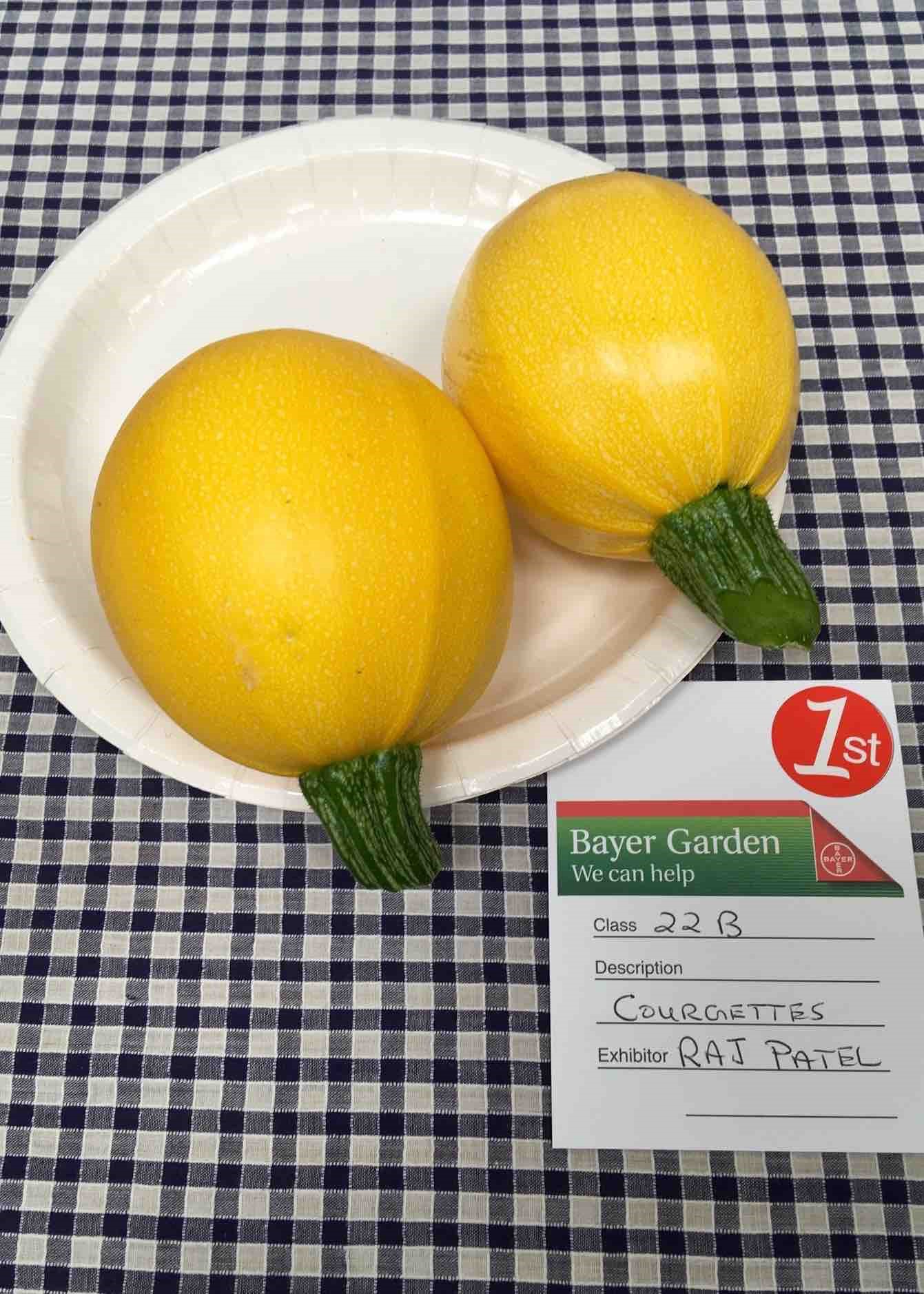
Direct-sow courgettes.
Sow radicchio in drills for
autumn salad leaves.
Sow fennel and oriental greens
such as mizuna and pak choi. June sowings reduce the risk of
bolting.
Successionally sow salads,
rocket and basil etc every two to three weeks for continuous
picking.
Make a late sowing of peas for
an autumn crop.
Sow overwintering carrots such
as Autumn King or Chantenay.
Quick-maturing radishes or
salad leaf crops can be sown between brassica rows.
Quick-germinating annuals, such
as cosmos, that attract insect pollinators can still be sown.
Sow
wallflowers for next year.
Water potatoes well for
good-sized tubers and reduced problems with scab. (Remember to
target-water, not spray, to avoid water wastage.)
Water tomatoes regularly and
evenly. Uneven watering can cause cracked fruit and blossom end rot.
Regularly pinch outside shoots on cordon tomatoes and tie in plants
to supports.
Feed every 10-14 days with a liquid fertilizer,
changing to a high potash fertilizer once the first fruits begin to
set.
Plant out sweet corn 16”
apart in blocks, not rows, to aid wind pollination.
Continue planting out or
direct-sow runner and French beans.
Transplant pencil-thick leeks
now into 6” deep holes.
Plant out pumpkins, squashes in
well manured ground. Plant out outdoor cucumbers and peppers.
Protect with fleece on cold nights.
Keep fruit bushes well-watered.
(Target-water, not spray, to avoid water wastage.) Protect soft
fruit from bird attack by netting securely and tie in new raspberry
and blackberry canes.
Continue to check for sawfly
larvae on gooseberries. Hand pick off.
Remove strawberry runners
during the early part of summer, to avoid energy being diverted from
the developing fruit.
On plum trees, after the ‘June
drop’ of excess developing fruits, thin the fruits to prevent
overladen branches breaking.
Harvesting
Continue to regularly harvest established asparagus – mid April to mid June. If asparagus growth is weak, apply a general fertilizer of fish, blood and bone.
First, second and salad potatoes may be ready for harvesting. Tubers should be ready when plants begin to flower.
Harvest broad beans from the bottom of the plant up. Once the plant is harvested, cut off the stems and dig the roots back into the soil to make use of the captured nitrogen.
Harvest early peas. Put unused pea pods and foliage into the compost heap or dig into the soil to provide nitrogen rich nutrients to the soil.
Gardening for Wildlife
If broad beans are affected
by blackfly, rub off or spray with a jet of water to remove them
rather than using insecticides.
Create a cool, damp spot for
amphibians and their prey to take shelter in by building a log pile
in a shady corner. Half bury the bottom logs and fill nooks and
crannies with leaves.
Add a bee house to your plot or
garden, placing it in a south-facing spot but not in direct
sunlight.
Select single forms of annual
flowers as these provide more pollen for bees. Integrate annual
flowers into the vegetable beds to attract beneficial insects such
as bees and hoverflies.
Reduce the use of herbicides,
fungicides and insecticides if possible.
Maintaining soil and structures
and planning ahead
Although weather is warmer, continue to listen for forecasts of frost warnings and cover vulnerable plants at night. Delay planting out cold sensitive plants if frosts are forecast.
Weed ‘defensively’; remove weeds before they flower to avoid seeding.
Continue to keep grass paths manageable by regular cutting. Draw up soil around the base of peas and broad beans to support them and increase the rooting area.
Clean greenhouse glass to improve light levels On sunny days ventilate the green house by morning opening and close late afternoon to conserve the heat.
Earth up early potatoes when they have made 8” growth. Plan and prepare planting holes for squashes, adding well-rotted manure.
Build frames for climbing beans.
Sowing and Growing
Sow indoors or in the greenhouse Brussels sprouts, cabbage, early leeks, cucumbers, courgettes, peppers and sweet corn. Sow tomatoes for outdoors.
Sow herbs; dill, fennel, oregano and thyme, parsley from seed.
At the end of the month sow tender vegetables indoors, such as runner beans, squash and pumpkins.
Watch out for signs of damping off in seedlings which can be caused by sowing in cold, wet soil with poor drainage and air circulation and worsened by overwatering. A light covering of vermiculate reduces the problem.
Direct sow broad beans and early peas.
Make successional sowings of beetroot, Swiss chard, lettuce, radish, summer spinach, spring onions, lettuce, parsnips and turnips.
Thin out germinated seedlings and hoe between rows.
Direct sow early varieties of carrot when the ground has warmed up. To avoid attack from carrot fly, either sow 18” above ground level or cover with insect mesh.
Sow annuals to attract pollinating insects such as nigella, single flowered marigolds, comos, Californian poppies.
Direct sow sweet peas.
Second early and maincrop potatoes should be planted by the end of the month.
Once tomatoes have their first true leaves, plant them deeply into individual pots
Water crops regularly in dry weather.
Plant out autumn-sown sweet peas.
Finish planting shallots.
Plant soft-neck garlic.
Plant up new asparagus and globe artichoke beds.
Cover radishes and turnips with horticultural fleece to protect against flea beetle.
Use fleece to protect blossom of trees such as pears if frost is forecast.
Net strawberries against bird attack.
Watch out for early aphid attacks. Early action by manually removing these or hard- spraying with water can reduce likelihood of damaging infestations.
Feed roses with rose feed.
Feed soft fruit with a general purpose fertilizer.
Pick and destroy yellowing leaves of brassicas infected with downy mildew.
Harvesting
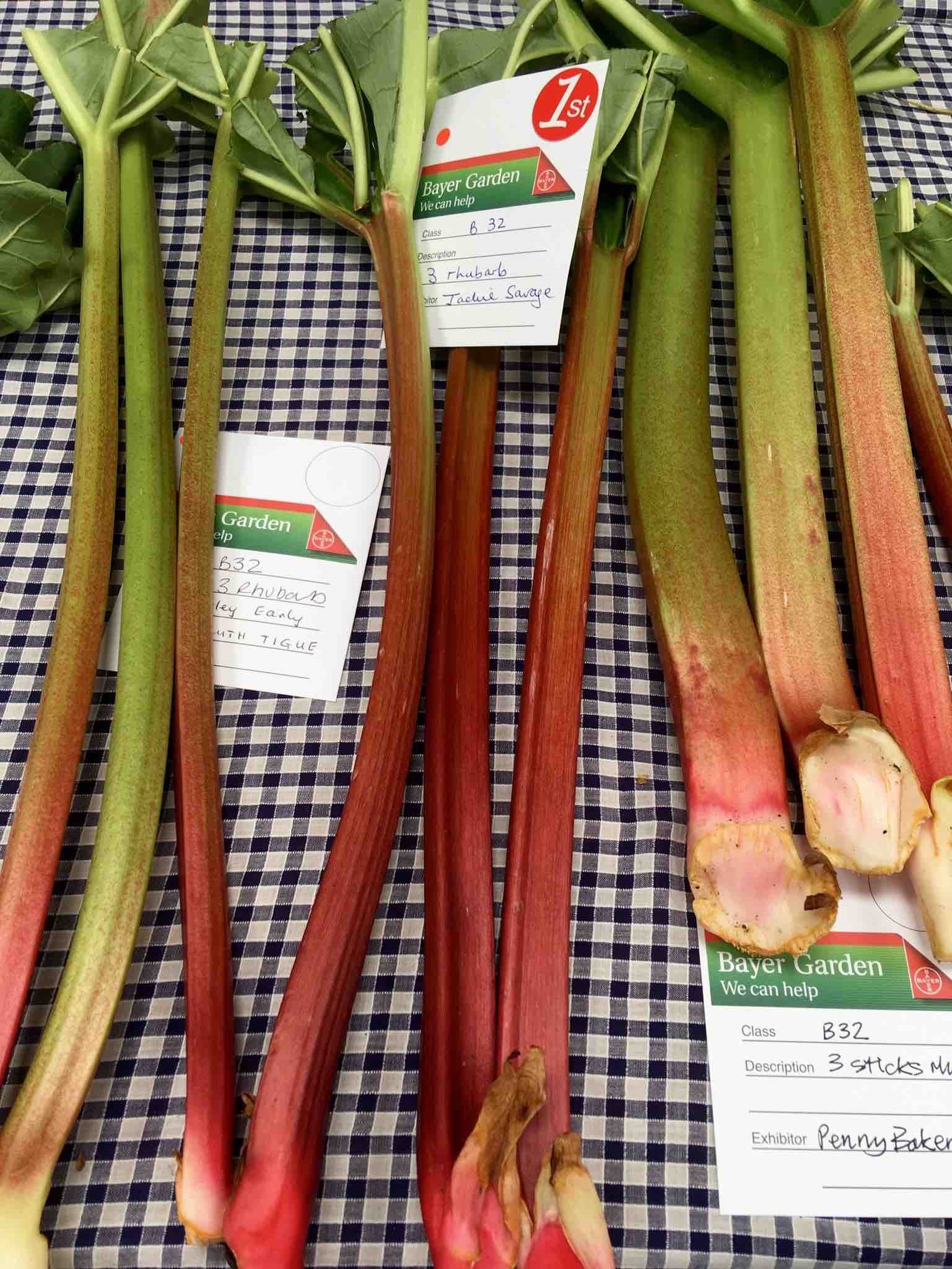
Harvest rhubarb by pulling a few stalks at a
time. Put the leaves on the compost heap.
The first cutting of asparagus is traditionally
made after St George’s Day, 23rd April and the last cutting on the
longest day, 22nd June.
Pruning
Once leaf buds open, start formative pruning of stone fruit trees such as plum and cherry.
Pinch out laterals on grape vines to leave one every 30cms and tie in selected shoots.
Gardening for wildlife
Divide or cut back pond marginal plants.
Prepare a fine tilth before sowing a wildflower meadow patch of cornfield annuals to attract pollinating insects.
Maintaining soil and structures and planning ahead
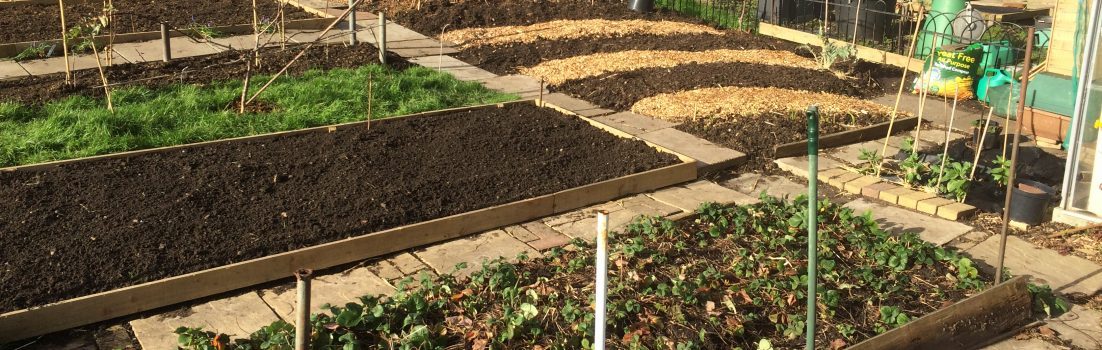
Continue soil preparation by hoeing to suppress early weeds and cover with black landscape fabric/ weed suppressant or a thick layer of composted stable manure to warm the soil. Top- dress overwintering vegetables with a general fertilizer.
Control early weed growth by regular hoeing.
Nutrient-rich mulches such as composted manure should be spread when the soil is moist and warm, from mid to late spring, just before the main growing season.
Apply a balanced fertilizer such as growmore or fish, blood and bone around fruit trees and bushes.
Apply a general fertilizer to all areas required for early crops. Fish, blood and bone or pelleted poultry manure are slow-release so apply now for summer growing.
To lessen the impact of brassica club root, raise the soil pH by adding lime or calcified seaweed to brassica beds. Some club root resistant varieties are available e.g. Brussels sprouts Crispus, Cabbage Kilaton.
Cut down autumn-sown green manures and now sow green manures such Buckwheat, Crimson Clover, Fenugreek, Mustard, Phacelia, Trefoil or Winter Tares. These will improve the soil until it is needed for planting.
Ventilate the green house on sunny days and close up by mid afternoon.
Clean greenhouse panes to maximise light levels.
If the soil is not too wet start strimming, clipping or mowing grass paths to maintain good paths between plots.
Sowing and growing
Sow outdoors early cultivars of beetroot, broad beans, peas, early cultivars of lettuce, radish, early spinach, parsnips and turnips. Towards the end of the month early varieties of carrot can be sown.
Protect young seedlings with fleece or cloches on cold nights, removing the covers in the day.
Sow indoors or in the greenhouse Brussels sprouts, cabbage, summer cauliflower, celery, celeriac, early leeks and tomatoes, cucumbers, courgettes, peppers and chillies.
Germinate aubergines, cucumbers, peppers and chillies in a heated propagator if available.
Start herbs from seed. Sow dill, fennel, parsley and sorrel in plots to transplant later.
Annual flower seeds such as cosmos, sweet peas, marigolds, nasturtiums and candytuft can be sown directly as the soil warms.
Watch out for signs of damping off in seedlings which can be caused by sowing in cold, wet soil with poor drainage and air circulation and worsened by overwatering. A light covering of vermiculate reduces the problem.
Direct plant shallots and onion sets, just deep enough that the bulb tips are visible above the soil.
By the end of March, if the weather is warming, plant first early potatoes when the shoots are 2cms long.
Plant asparagus crowns.
Prepare trenches for runner beans with well-rotted manure and shredded paper at the base.
Harvesting
Broccoli, kale and leeks can be harvested now.
Pruning
Prune blueberries. Promote new fruiting wood by removing up to a third of the old stems at ground level.
Complete pruning Hybrid Tea and Floribunda roses.
Gardening for wildlife
Convert an empty flower bed into an annual meadow to attract pollinators to your plot.
Place bundles of hollow-stems horizontally in sheltered areas for to provide places for beneficial insects to lay their eggs.
Swede: Ruby – dark purple-skinned with yellow flesh and a good flavour. RHS Award of Garden Merit
Chilli Pepper ‘Trinidad Perfume’ – authentic habanero flavour without the heat!